
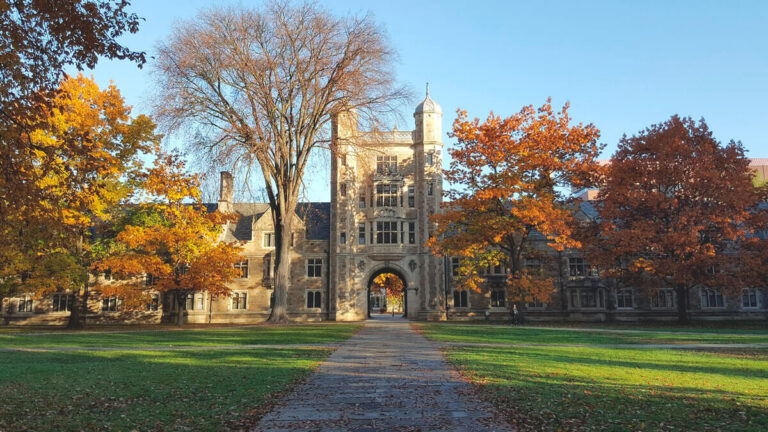
For generations of families in Ann Arbor, the University of Michigan has been more than just a world class institution in our backyard. It is the gold standard for academic achievement. However, the path to becoming a Wolverine has shifted dramatically for the Fall 2026 application cycle. For the first time, U-M has introduced a binding Early Decision (ED) option, fundamentally changing the strategy for local high school students.
This move signals a new era in admissions. While U-M has historically utilized a non binding Early Action (EA) model, the addition of Early Decision means that high achieving students now have a way to affirm their commitment to the university earlier than ever. But for Ann Arbor juniors and seniors, this choice comes with significant weight and requires a clear understanding of the new competitive landscape.
Understanding the Binding Nature of Early Decision
The most critical distinction of the new Early Decision program is that it is legally and ethically binding. When a student applies through ED, they, their parents, and their high school counselor must all sign an agreement. This agreement states that if the University of Michigan admits the student, they will withdraw all other college applications and enroll at U-M.
This is a powerful tool for the university to “lock in” their incoming class early. For the student, it is a way to signal demonstrated interest at the highest level. In an era where U-M receives over 115,000 applications annually, showing the admissions committee that you are 100% committed can be a deciding factor. However, this path is only appropriate for students who are certain that Michigan is their “ride or die” choice.
Why the Holistic Review Now Demands More
Despite the new application pathways, the University of Michigan maintains its commitment to a holistic review process. This means they are looking at far more than just a GPA or a test score. They are evaluating the “whole student,” including their leadership, community involvement, and the rigor of their high school coursework.
For local students at schools like Pioneer, Huron, and Skyline, the bar is exceptionally high. Admissions officers are intimately familiar with the curriculum at these schools. They know which AP classes are the most challenging and which extracurriculars carry the most weight. To stand out in a pool of 115,000 applicants, your student needs a narrative that connects their academic success to a broader purpose. Often, building this narrative starts with a professional high school resume for college recruiters, which helps bridge the gap between “involved student” and “future leader.”
The Ripple Effect on Ann Arbor GPA Strategy
With the introduction of Early Decision, the pressure on a student’s junior year GPA has intensified. Because ED applications are due by November 1st of the senior year, the admissions committee will primarily be looking at the grades earned through the end of the eleventh grade. There is no “senior year cushion” to fix a low cumulative average.
If your student experienced a dip in their grades during their sophomore or junior year, they must address it immediately. We have seen many Ann Arbor students struggle with the transition to more rigorous AP and IB courses. If you are in this position, it is vital to know how to turn around a rough first semester before those grades are locked into a permanent transcript. A late season surge in grades can show resilience, but a consistent record of excellence is still the strongest signal to a U-M admissions officer.
Balancing Test Optional vs. Test Prepared
For the 2026 cycle, U-M remains test optional. This creates a strategic dilemma for many families. Should you submit a score? The general rule of thumb for Ann Arbor residents is that if your score is within or above the middle 50% range for U-M (typically 1370 to 1530 for the SAT), you should submit it. A strong score provides a concrete data point that validates your GPA.
However, the shift to the Digital SAT has introduced new challenges in how students prepare. The test is shorter but more intense, and the adaptive nature of the modules means that early mistakes are more costly. Many students find that they need a specific strategy to handle the new format. If your student is planning to take the SAT this spring, they should start by navigating the digital SAT requirements early to ensure they are not caught off guard by the new interface or the integrated Desmos calculator.
Navigating the “Go Blue Guarantee” and Financial Aid
One of the most significant advantages for Michigan residents is the Go Blue Guarantee. This program provides free tuition for high achieving, in state students with family incomes and assets up to $125,000. Under the new Early Decision model, students who apply by the November 1st deadline and submit their financial aid materials by November 15th will receive their financial aid package along with their admission decision in late December.
This transparency is a massive benefit. It allows families to make an informed decision with “peace of mind” during the rest of the senior year. However, it also means that the student must have their academic and financial houses in order much earlier than in previous years.
The Role of Executive Functioning in Admissions Success
Ultimately, the students who succeed in this new binding ED environment are those who can manage a complex, multi month project with precision. Applying to a school like Michigan requires more than just intelligence; it requires high level organization and the ability to meet strict deadlines.
Many students hit a “wall” in their senior year because they lack the systems to handle the increased workload. This is where foundational Executive Functioning Skills become a competitive advantage. A student who can self manage their application essays, maintain a 4.0 GPA, and lead their extracurricular teams is exactly what U-M is looking for in their Early Decision cohort.
Preparing for the Road Ahead
The introduction of Early Decision at the University of Michigan is a clear sign that the university is looking to attract the most committed, high achieving students in the country. For the Ann Arbor community, this is an opportunity to secure a spot at a top tier university earlier in the cycle. But it is also a reminder that the “standard” approach to college applications is no longer enough.
At College Tutors Michigan, we specialize in helping local families navigate these specific shifts. From mastering the Digital SAT to building the organizational habits required for a successful ED application, our coaches are here to ensure your student is prepared for the “Go Blue” reality of 2026. Whether you are just beginning the search or are ready to commit to U-M, the time to build your strategy is now.